

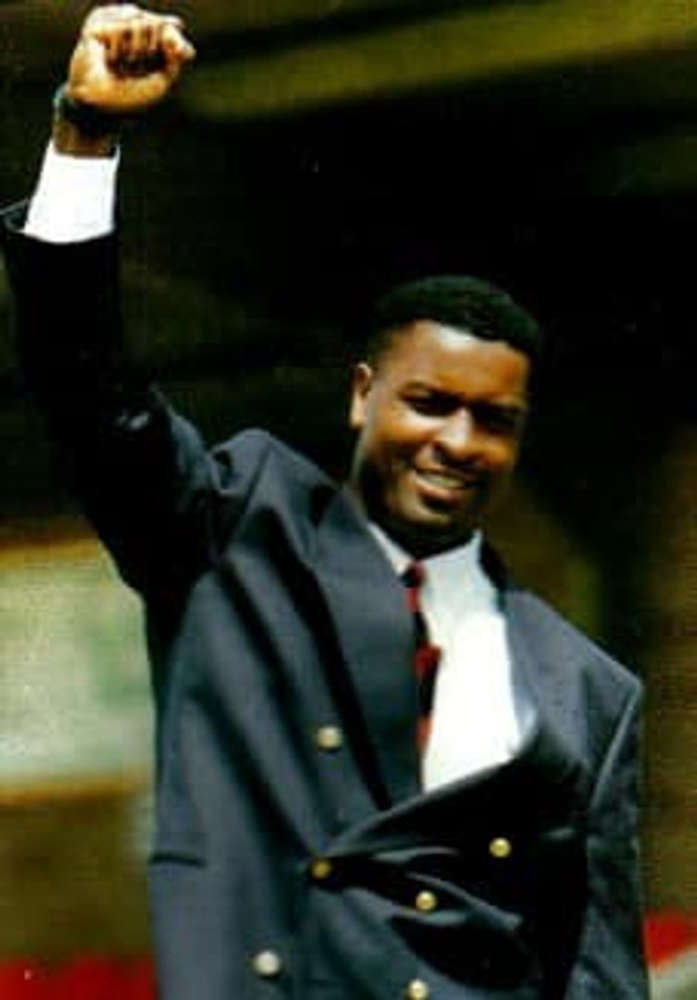
MIKE
MCKENZIE
FOUNDER OF TUF*C | FOOTBALL MANAGER | COMMUNITY LEADER | MENTOR | GAFFA

THE MAN BEHIND Tuf*C
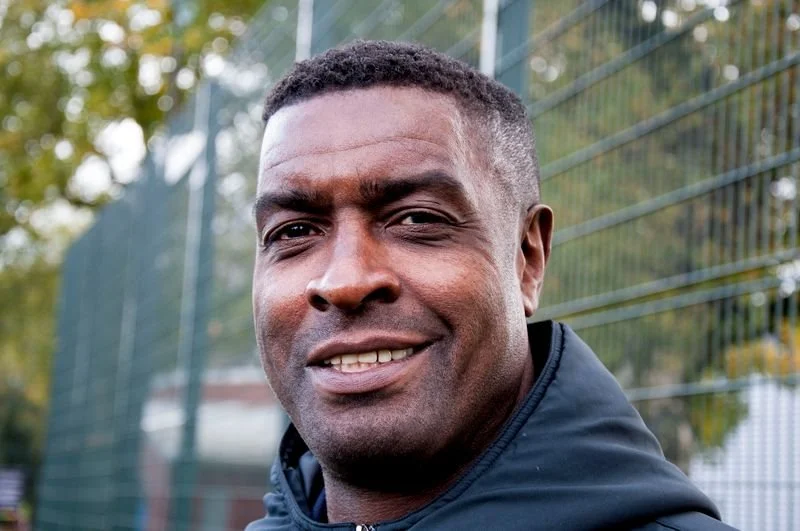
Founder. Gaffa. Mentor. Coach. Community leader.
But to the people who knew him, Mike McKenzie was much more than any title could describe.
Mike believed that young people could change their own lives when somebody gave them the opportunity, the responsibility and the belief that they could do more.
That belief became Tuf*C.
Mike passed away in 2025, but the work he started continues through every young person who walks through our doors, every young leader who steps forward, every volunteer who develops their confidence and every person who discovers that sport can open a different path in life.
Tuf*C is Mike’s legacy. And that legacy is still being written.

THE BEGINNING OF AN IDEA
In 2003, while working as a Young Persons Development Officer, Mike McKenzie brought together a group of young people and asked them a simple but powerful question:
What do you want to leave behind as your legacy?
The answer became the foundation for Tuf*C.
Mike saw that sport could be much more than something young people played. It could be a route into confidence, qualifications, responsibility, employment and leadership.
Tuf*C was created to give young people opportunities to become leaders themselves, developing their skills through sport and then using those skills to support other young people in their own communities.
What began with a small group of young people developed into a leadership programme that trained, supported and mentored hundreds of young people.
The principle was simple:
Develop young people through sport, then give them the opportunity to develop others.
That principle remains at the heart of Tuf*C today.
FROM THE STREETS OF MANCHESTER TO THE FOOTBALL TOUCHLINE
Mike’s connection with young people and community football stretched back long before Tuf*C.
He began his managerial career in grassroots football, taking charge of Astro FC in Moss Side during the late 1980s. The team became a formidable force in amateur football, winning numerous honours and providing a platform for local players.
His reputation for developing people soon took him into semi-professional football.
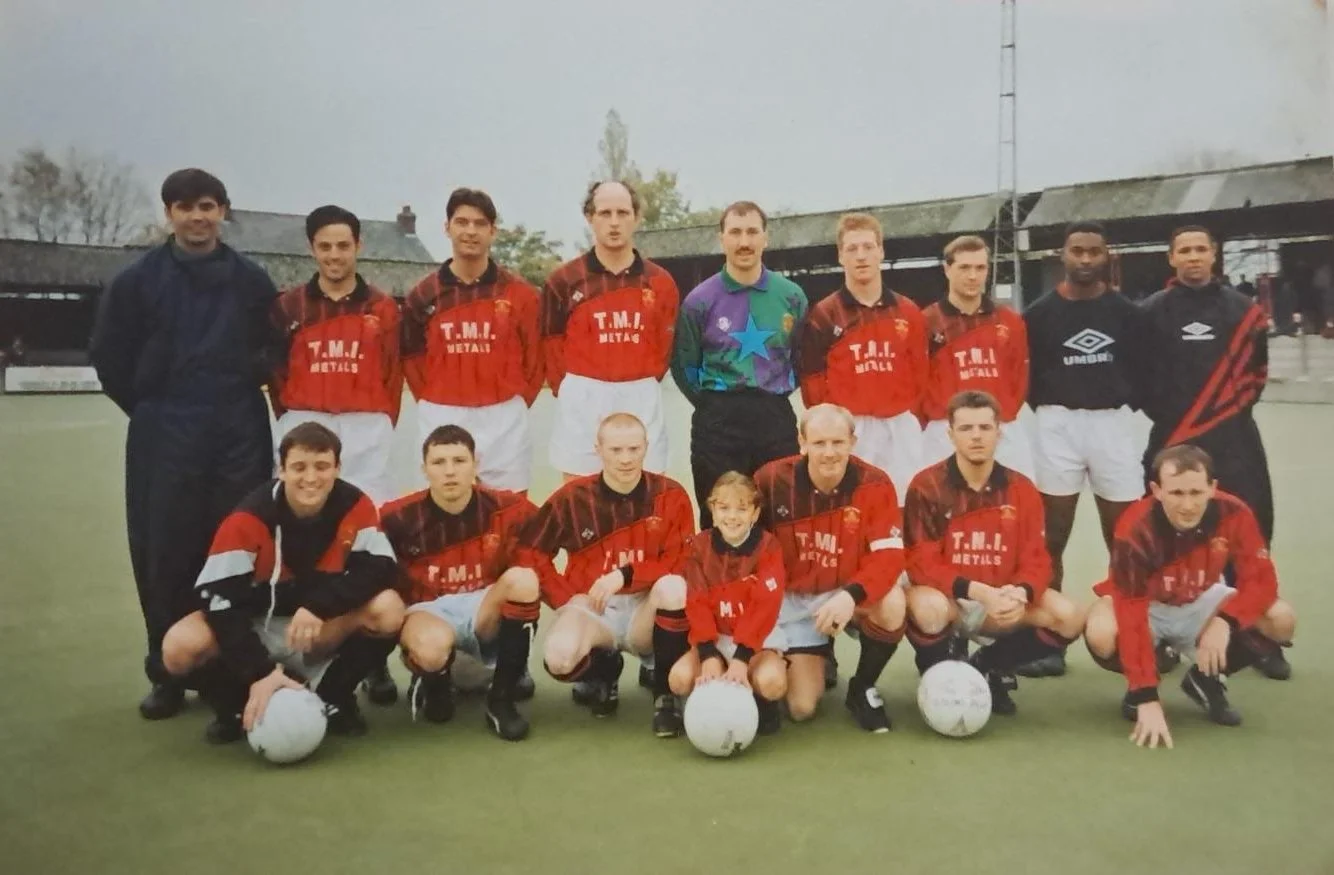
Mike managed Winsford United, helping the club achieve promotion to the Northern Premier League Premier Division. He subsequently had a spell with Witton Albion before taking charge of Hyde United in 1994.
It was at Hyde where his reputation grew nationally within the non-league game.
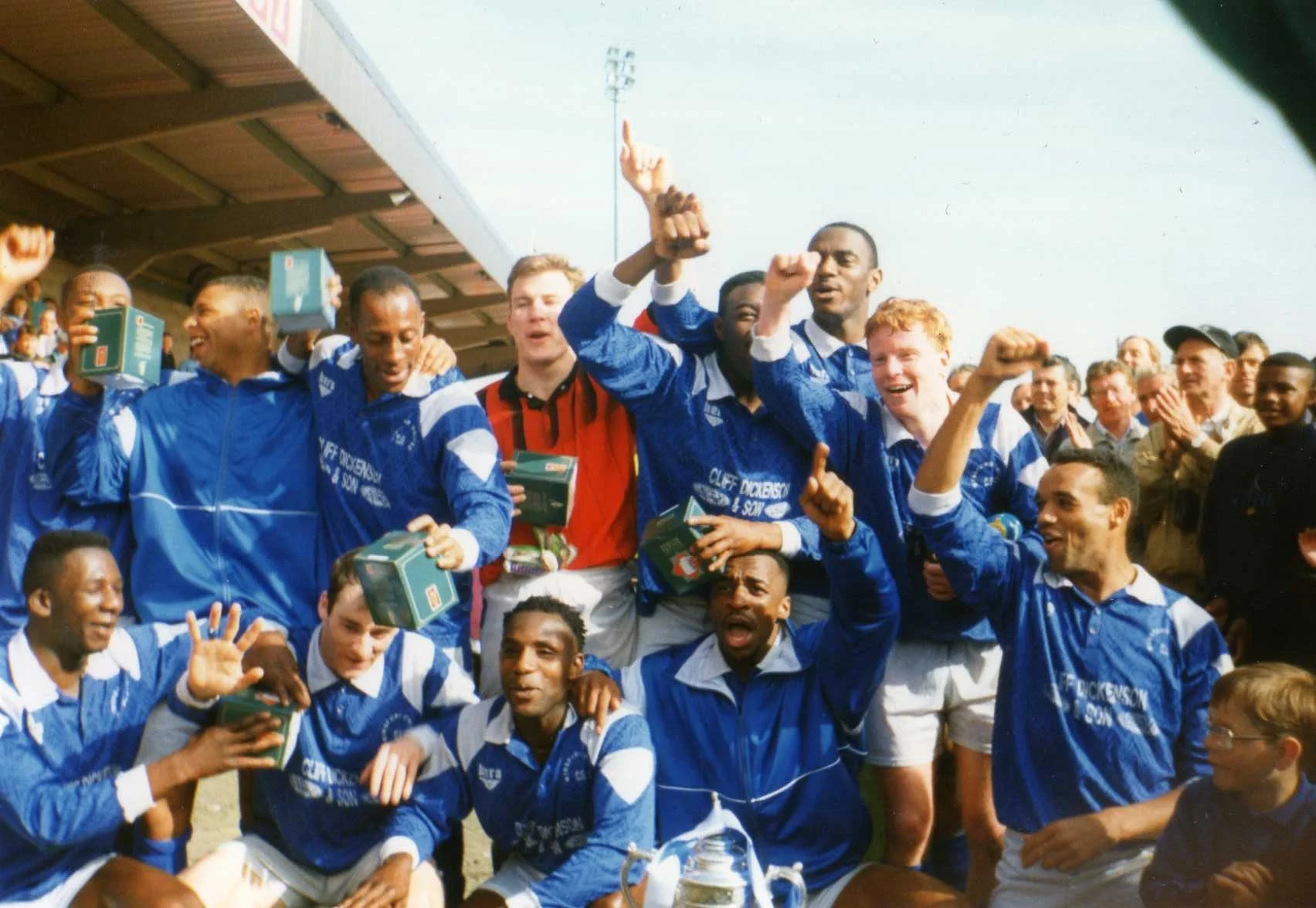
Mike remained manager from 1994 until 2001. During that period Hyde reached the First Round of the FA Cup and two consecutive FA Trophy semi-finals.
The 1994–95 FA Cup run brought Hyde into the national spotlight, while the club’s FA Trophy campaigns saw Mike’s teams compete deep into one of English football’s major non-league cup competitions.
Hyde’s own records list Mike as manager from 1994 to 2001. His time at the club became one of the most significant managerial periods in its modern history.
But football was never simply about winning for Mike.
He had an eye for potential.
He could see something in players and young people that they could not always see in themselves.
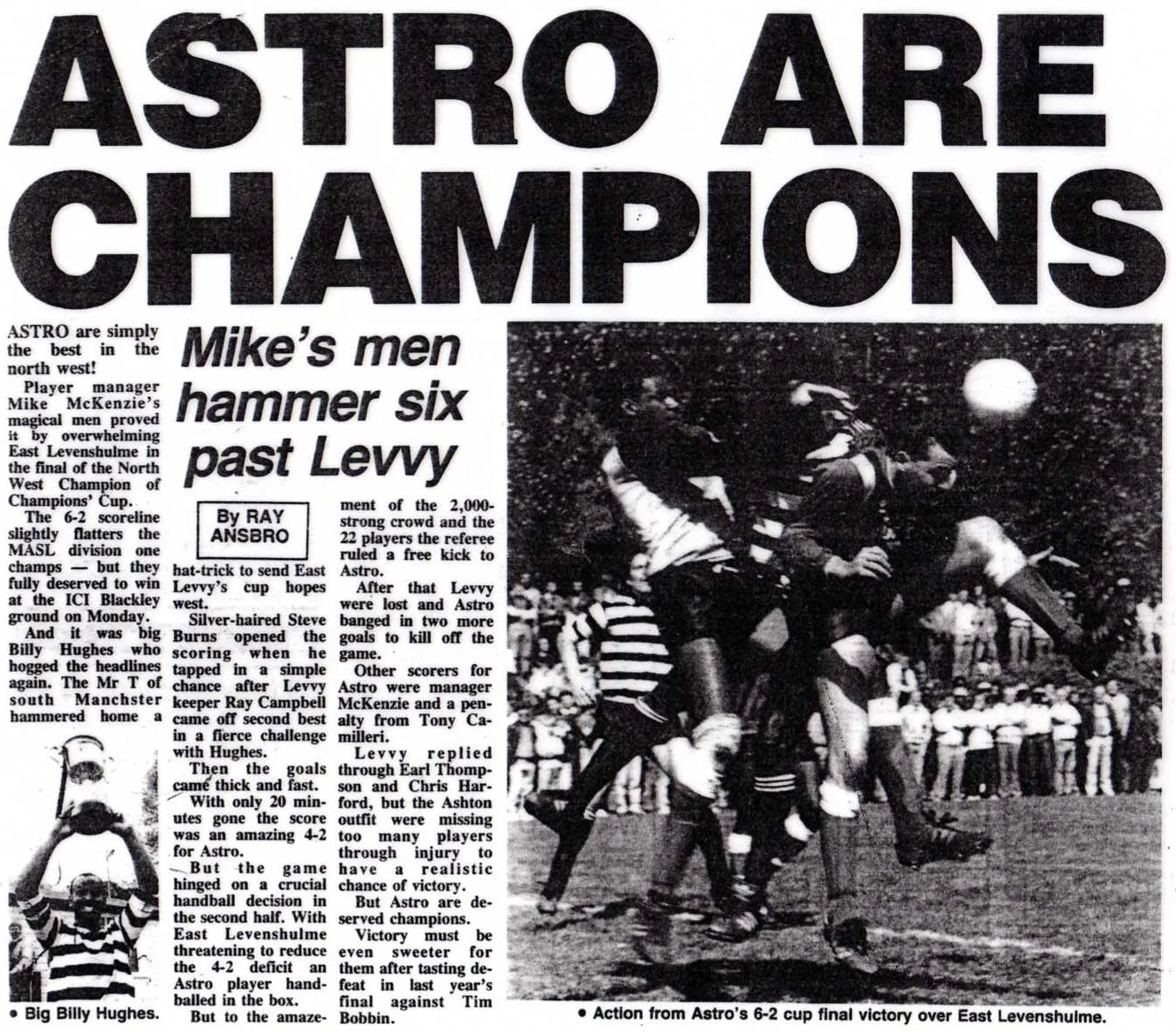
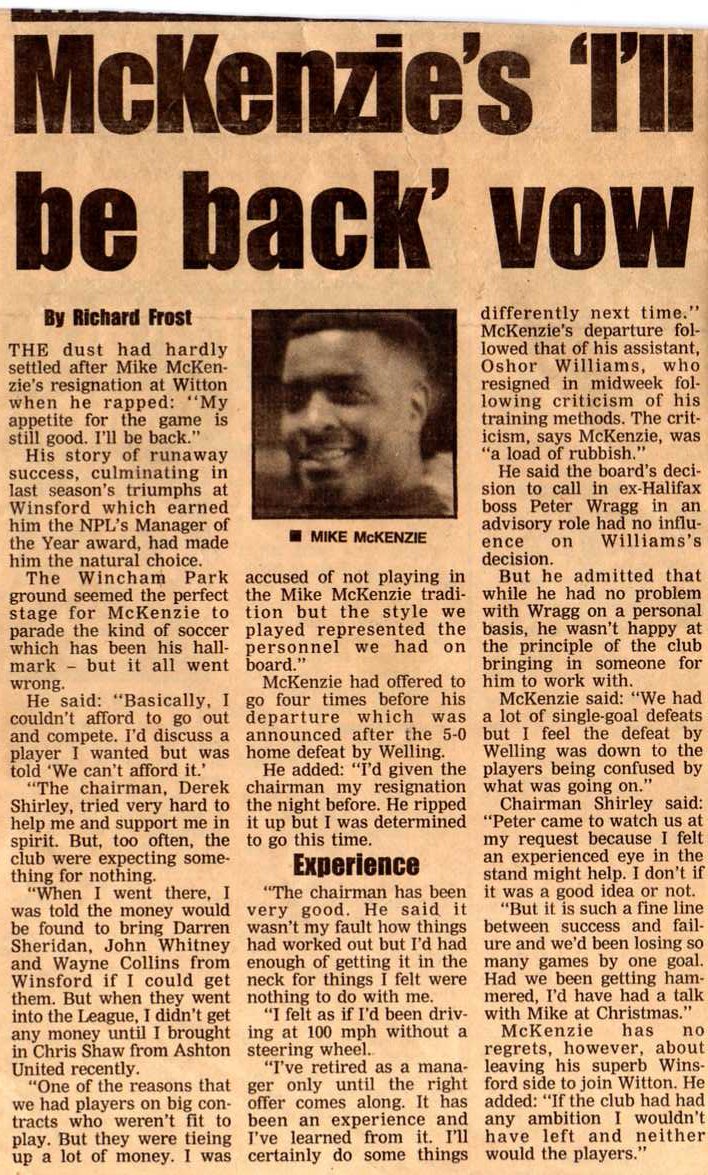
A MANAGER WHO DEVELOPED PEOPLE
Mike was known for his ability to recognise talent and bring the best out of people.
Among the players whose careers were influenced by him were Peter Band, Colin Little and Rob Hulse.
Former players and colleagues have described his man-management as one of his greatest strengths.
His impact was not limited to professional or semi-professional football.
At community level, Mike continued to build teams, develop players and create opportunities.
He returned to grassroots football with Moss Side FC, where his teams enjoyed extraordinary success, including a ten-year run of Manchester Sunday League titles and numerous other honours.
The Manchester Amateur Sunday Football League later described Mike as a mentor, pioneer and pillar of the Moss Side community.
His influence could be seen in the trophies, but it could also be seen in the people.
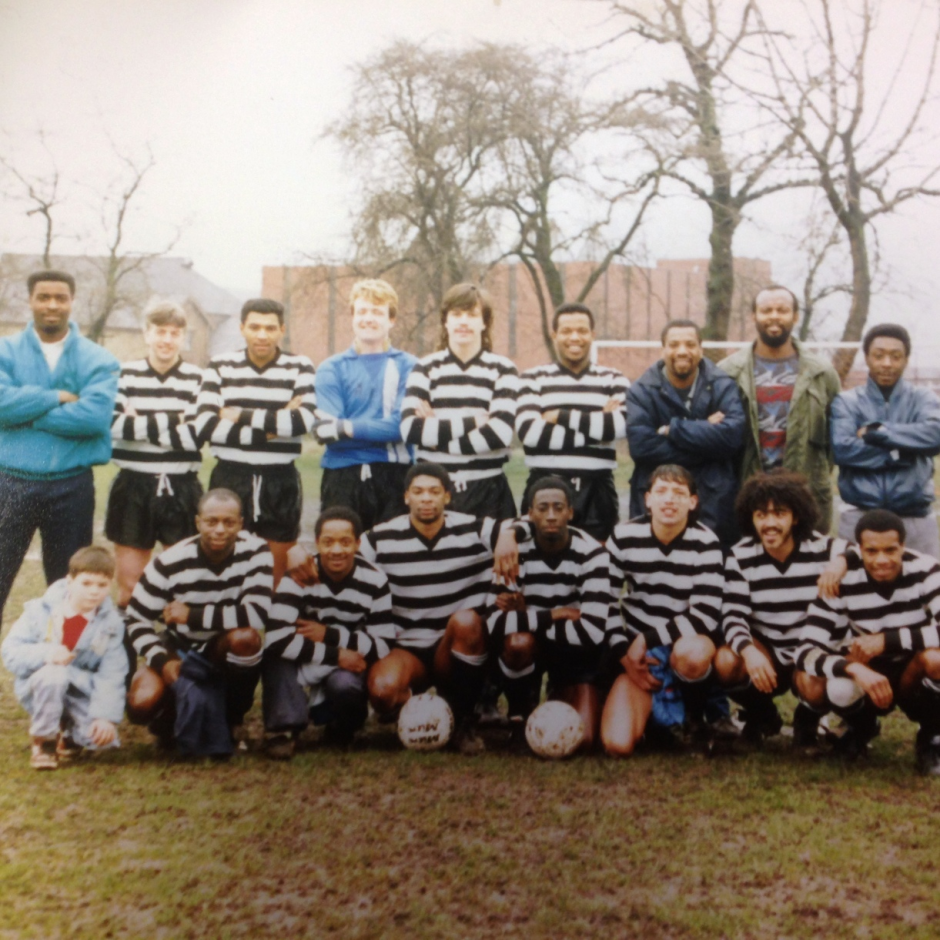
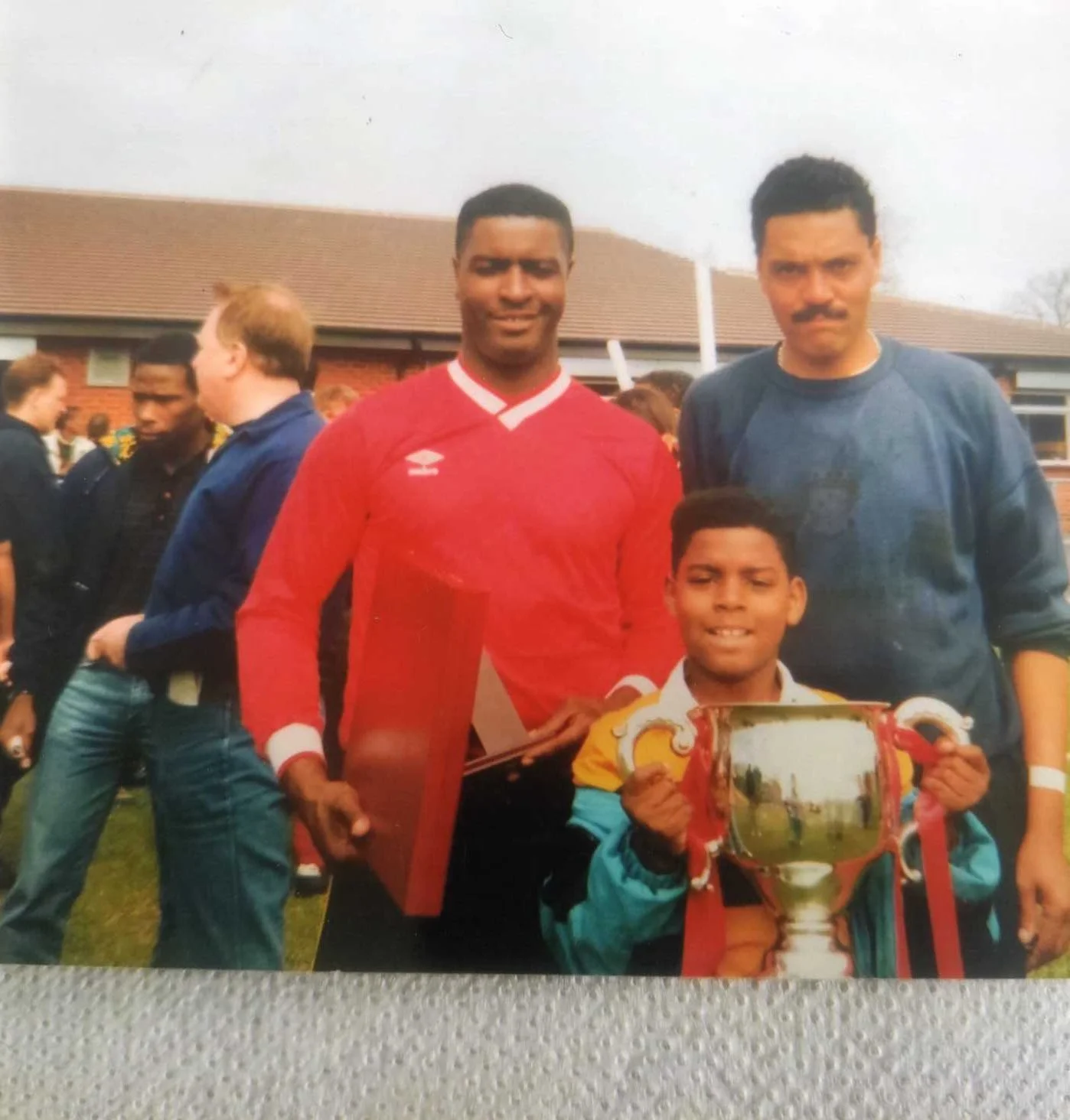
TUF*C: CHANGING THE DIRECTION OF YOUNG PEOPLE’S LIVES
Mike brought the same philosophy into Tuf*C. He understood that some young people were not going to respond to traditional programmes.
So Tuf*C did things differently. Instead of asking young people simply to participate, Mike created a pathway.
Take part. Volunteer. Learn. Qualify.
Lead. Work. Develop others.
Young people could start by getting involved in sport and volunteering in their own community. They could then gain coaching qualifications, life skills and practical experience.
Those who developed could progress into paid coaching and employment.
And the young people who had once needed support could become the people providing support to somebody else.
That became the Tuf*C cycle.
SPORT WAS THE VEHICLE.
PEOPLE
WERE
THE
PURPOSE.
Mike’s vision was never simply to produce better sports coaches. His ambition was to develop better futures. Tuf*C was established to work with young people who were often described as hard to reach, disaffected or marginalised.
Mike believed that the right environment could give those young people a different set of choices.
Sport provided the entry point.
Coaching provided responsibility.
Qualifications provided achievement.
Employment provided opportunity.
Leadership provided purpose.
And mentoring provided somebody to believe in them.
This approach became particularly important in communities where young people were exposed to anti-social behaviour, offending, gangs, substance misuse and other risks.
Rather than defining young people by those risks, Mike wanted Tuf*C to help them see another version of themselves.
A participant could become a volunteer. A volunteer could become a leader. A leader could become a coach. A coach could become an employee. And an employee could become a role model for the next generation.
That was the legacy Mike wanted to create.
OLD TRAFFORD SPORTS BARN
A major chapter in the Tuf*C story was the development of the Old Trafford Sports Barn.
Following the success of Tuf*C Leaders delivering Urban Leisure sessions, Tuf*C Leaders were involved in managing and operating the £1 million community sports facility from 2007.
The facility was developed through a partnership involving Barclays Spaces for Sport, Manchester United, Trafford Council and Trafford Leisure.
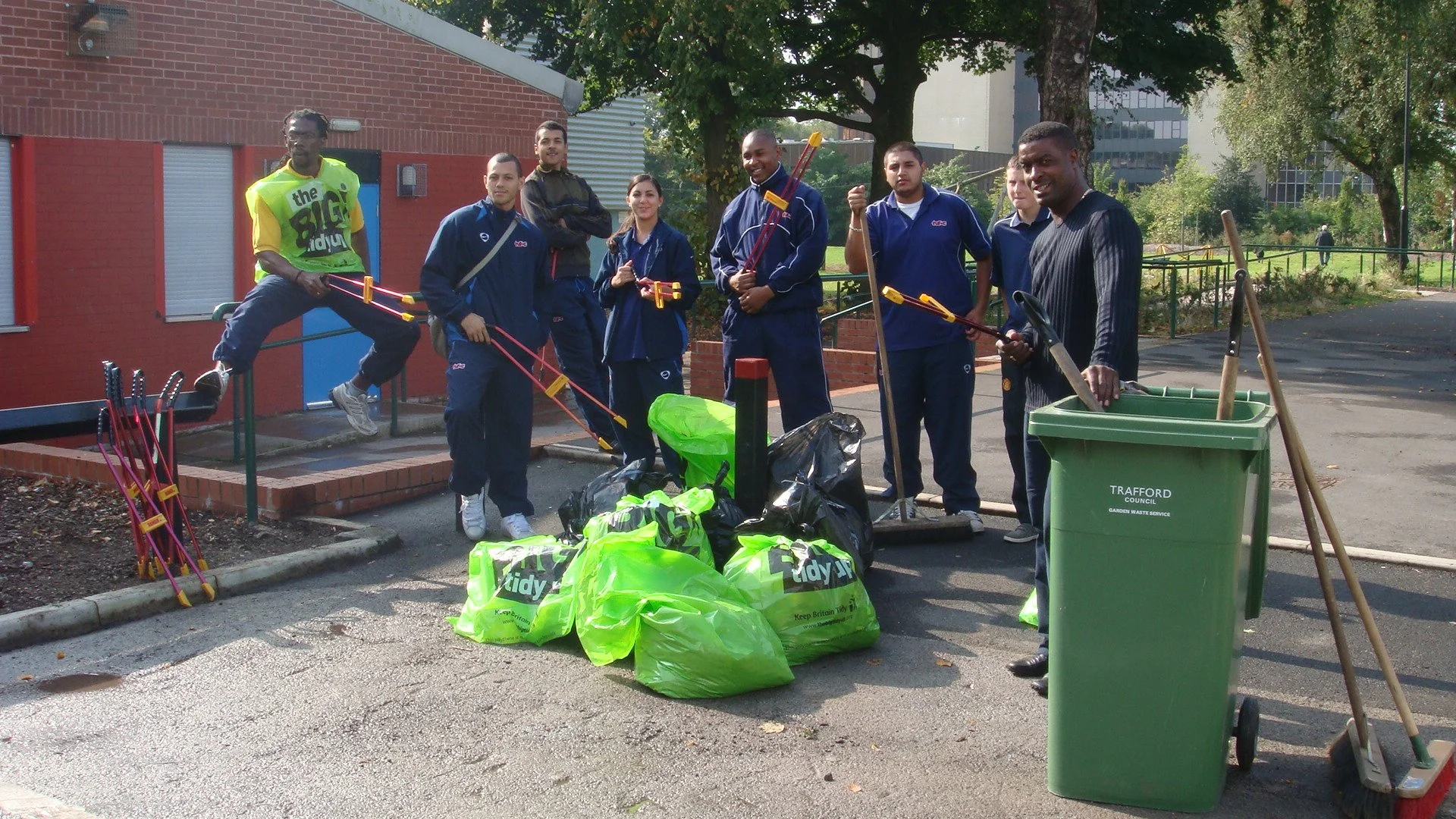
For Tuf*C, the Sports Barn became much more than a sports facility.
It became a community hub.
Young people from the local area were not simply using the building.
They were helping to run it.
They were coaching.
They were leading.
They were developing relationships.
They were becoming visible positive role models in their own community.
The idea was powerful because young people were not being told what their community needed from a distance.
They were being given the opportunity to help build it themselves.
Mike’s approach to leadership was rooted in responsibility.
For Mike, those qualifications were important. But they were only part of the journey.
Confidence mattered.
Communication mattered.
Presentation mattered.
Respect mattered.
Being able to walk into an interview and believe you belonged there mattered.
Being able to stand in front of a group of young people and lead them mattered.
Those were the life skills that could travel with a young person far beyond sport.
A DIFFERENT KIND OF LEADERSHIP
He wanted young people to take ownership.
Tuf*C Leaders were expected to develop their own skills, but they were also expected to use those skills to create opportunities for somebody else.
That philosophy helped Tuf*C develop a pool of young coaches and leaders who could deliver sport, activities, holiday programmes, homework and IT sessions, community activities and Urban Leisure sessions.
The programme also created opportunities for young people to gain recognised qualifications, including coaching awards, first aid and other life skills.
HIS WIDER LEGACY
Mike’s influence reached far beyond Tuf*C.
He was a trailblazer in football at a time when opportunities for Black coaches and managers were considerably more limited.
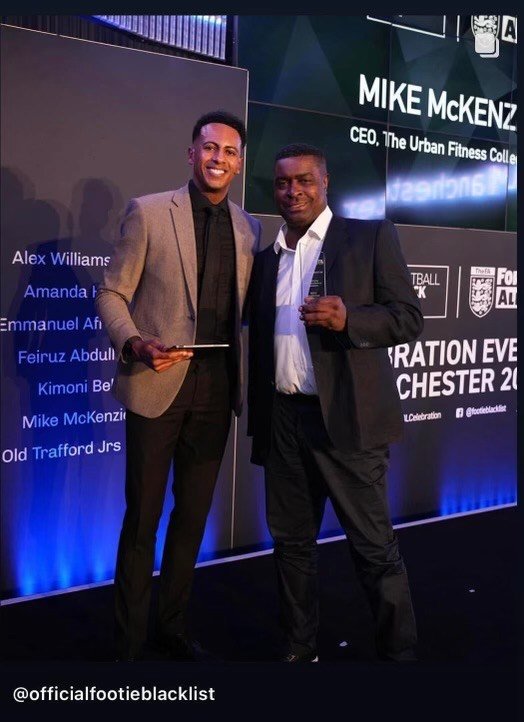
In 2024, Mike was recognised by the Football Black List for his contribution to football and the community.
The recognition came shortly before his death and reflected a career that had stretched across grassroots, semi-professional football, community development and youth work.
His football career included management roles with Astro FC, Winsford United, Witton Albion, Hyde United and Trafford.
But perhaps the most fitting measure of Mike’s impact is not the clubs he managed or the trophies his teams won.
It is the people he helped develop.
The players who progressed.
The young people who found confidence.
The coaches who found employment.
The volunteers who became leaders.
The leaders who became role models.
And the communities that gained people who believed they could make a difference.
THE MIKE MCKENZIE WAY
Mike’s philosophy can be seen throughout the foundations of Tuf*C.
Give young people a chance.
Do not write somebody off because of where they come from, what they have experienced or the mistakes they have made.
Give them responsibility.
Young people grow when they are trusted with something meaningful.
Develop the whole person.
Sport is important, but confidence, communication, qualifications, resilience and life skills can change the direction of a person’s life.
Create pathways.
Participation should be capable of becoming leadership, volunteering, employment and long-term development.
Let young people develop other young people.
The strongest communities are built when people who have benefited from an opportunity are given the chance to create that opportunity for somebody else.
Leave something behind.
Mike’s original question still matters:
What do you want to leave behind as your legacy?
MIKE’S LEGACY LIVES ON
Mike may no longer be standing on the touchline, walking into the Sports Barn or telling a young coach how to do things better.
But his work did not stop when he did.
It lives in every Tuf*C Leader.
It lives in every young person who has found confidence through sport.
It lives in every volunteer who has discovered that they have something to offer.
It lives in every coach who has gained a qualification.
It lives in every young person who has moved towards employment instead of away from opportunity.
And it lives in the belief that young people should not simply be the recipients of change.
They can be the people who create it.
That is what Mike started.
That is what Tuf*C must continue.
CARRYING THE LEGACY FORWARD
Sport can open the door. Leadership can change direction. Opportunity can change a life. And one young person can help change a community.
The next chapter of Tuf*C is not about trying to recreate the past.
It is about taking Mike’s original idea and continuing to develop it for a new generation.
The communities around us have changed.
Young people’s lives have changed.
The challenges they face have changed.
But the fundamental belief behind Tuf*C has not.
Mike asked young people what they wanted to leave behind.
Today, Tuf*C is part of the answer.
His legacy is not something we simply remember.
It is something we continue.