


our history
MANCHESTER BORN. BUILT WITH YOUNG PEOPLE. ESTABLISHED 2003.
INTRODUCTION
MANCHESTER BORN.
BUILT WITH YOUNG PEOPLE.
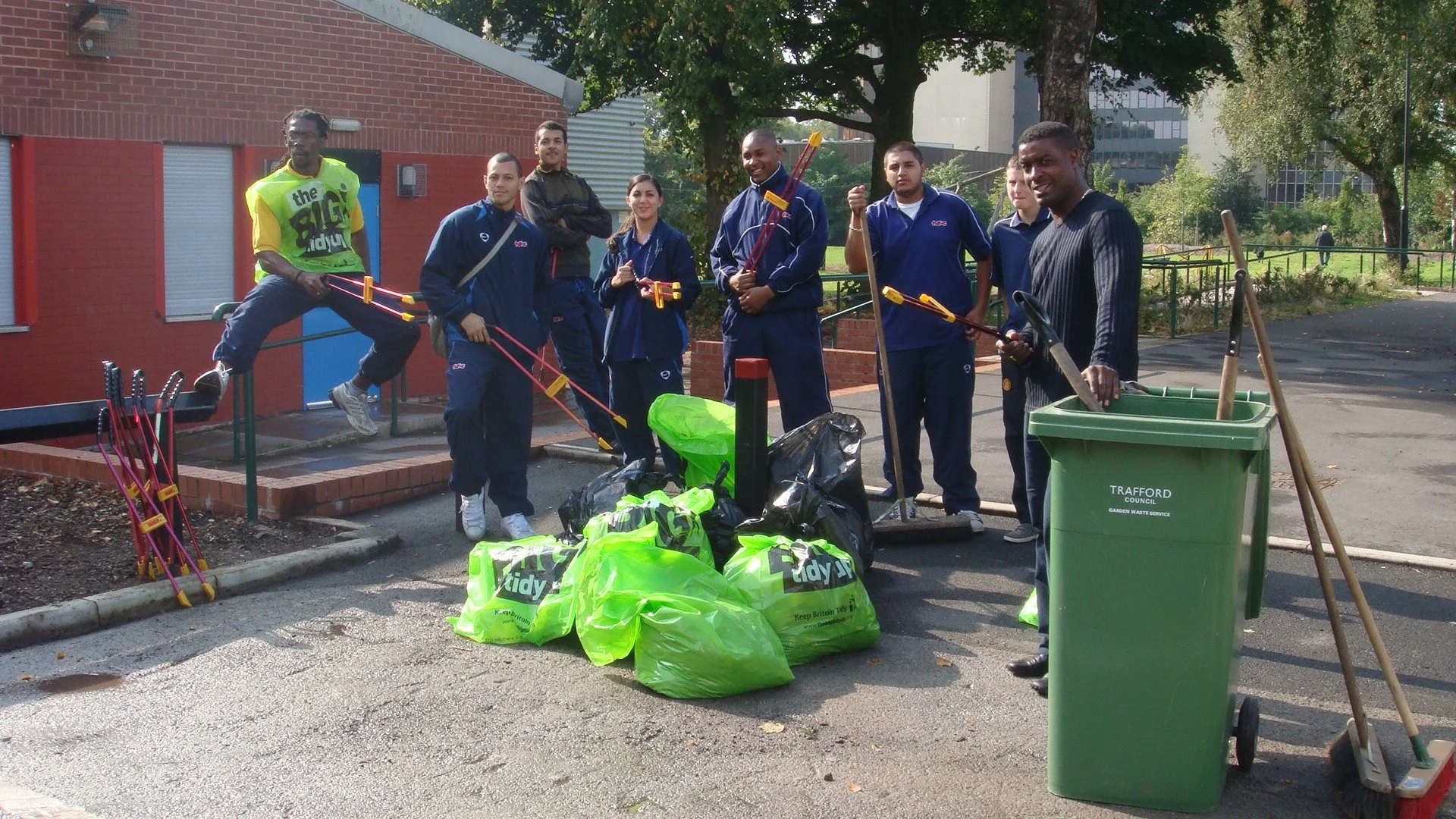
Since 2003, hundreds of young people have been recruited, trained, developed and mentored through Tuf*C as volunteers, leaders and members of staff, delivering sport, arts and other activities to young people across Greater Manchester.
Tuf*C also became an alternative route for young people who might otherwise have been drawn towards anti-social behaviour, street-culture or negative influences. The aim was not simply to keep young people occupied, the organisation offered something different, somewhere meaningful to belong to, somewhere to develop and a reason to see different possibilities for themselves.
The ethos was simple. Give young people guidance, give them the right support and create a pathway that helps them make positive decisions about what comes next.
That principle remains at the heart of Tuf*C today:
to offer guidance, create pathways and give young people opportunities where they may previously have felt there were none.
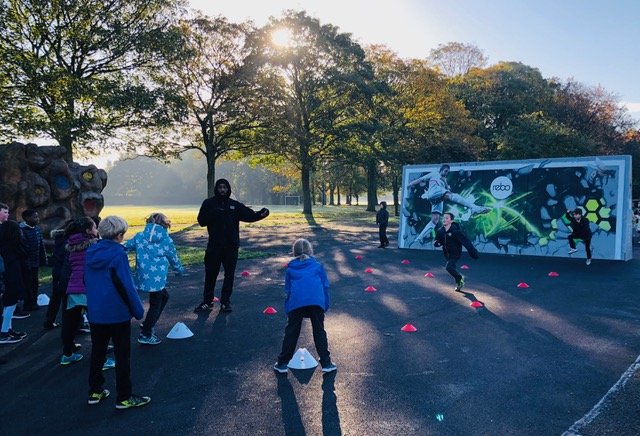
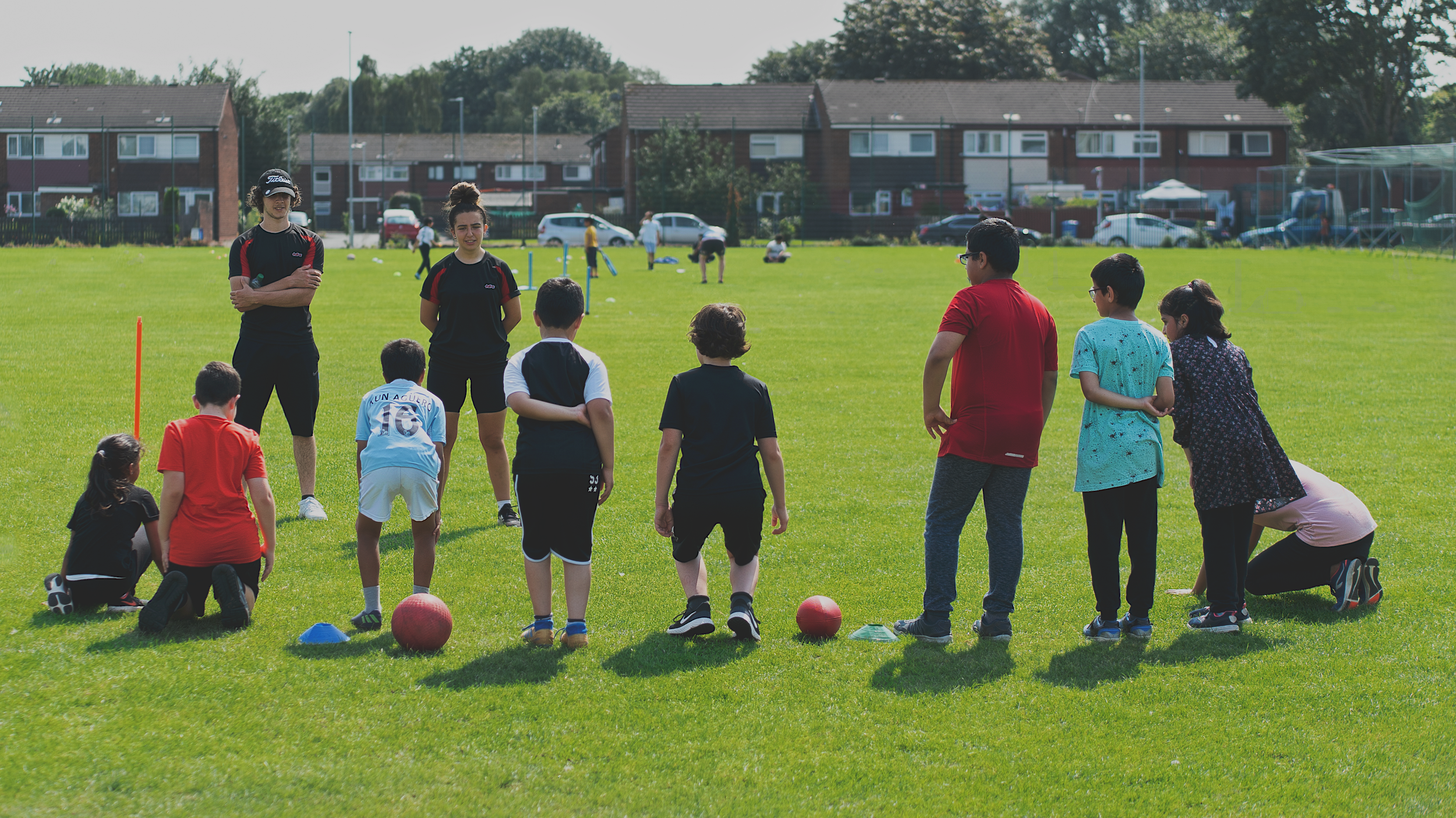
Tuf*C, The Urban Fitness Collective, began as a young people’s initiative in Greater Manchester, using sport as a way to engage young people, develop their skills and create opportunities for them to become active within their own communities.
From the beginning, Tuf*C was never simply about providing activities for young people. The model was built around developing young people themselves, giving them training, experience, responsibility and the opportunity to deliver sport and activities to other young people in the areas where they lived.
Young people came to Tuf*C from a wide variety of backgrounds and at different stages of their lives. For many, Tuf*C became a stepping stone into something more. Some developed as coaches and leaders, some moved into employment, and others used the experience, life skills and qualifications they gained through Tuf*C to progress into different areas altogether.
WHERE IT ALL BEGAN
APRIL 2003.
Tuf*C was established in April 2003 as part of an SRB-funded project focused on inner-city communities. At the time, the language used within youth development described the aim as using sport to help “regenerate” hard-to-reach young people. The language has changed, but the purpose behind it was to create better opportunities for young people who were not always engaging with traditional services.
A small group of young people was initially recruited and trained to become Tuf*C Leaders. The idea was not to bring outside coaches into communities and expect young people to fit into a traditional programme. The concept was to develop young people from within those communities, equip them with recognised skills and qualifications, and support them to deliver sport to other young people in their own areas.
Young people were not only taking part in sport. They were being given the chance to become coaches, leaders and people that others in their community could look up to.
That peer-led approach became one of the most important foundations of The Urban Fitness Collective.
the founder
MIKE McKENZIE AND THE FIRST TUF*C LEADERS
Working as a Young Persons Development Officer, Mike McKenzie brought together a group of young people and asked them what they wanted to leave behind as a leading legacy. From those conversations, Tuf*C began to take shape.
Mike worked with the group to build a development programme that combined sport, recognised qualifications and personal development. The first Tuf*C Leaders worked towards Community Sports Leader Awards, National Governing Body coaching awards and other qualifications that would allow them to deliver sport safely, confidently and to a professional standard.
The Leaders trained across different activities so that they could adapt their sessions to what young people in their communities actually wanted. This flexibility became part of the Tuf*C approach. Sport was not meant to feel rigid or disconnected from the people taking part. It had to reflect the interests, culture and energy of the young people involved.
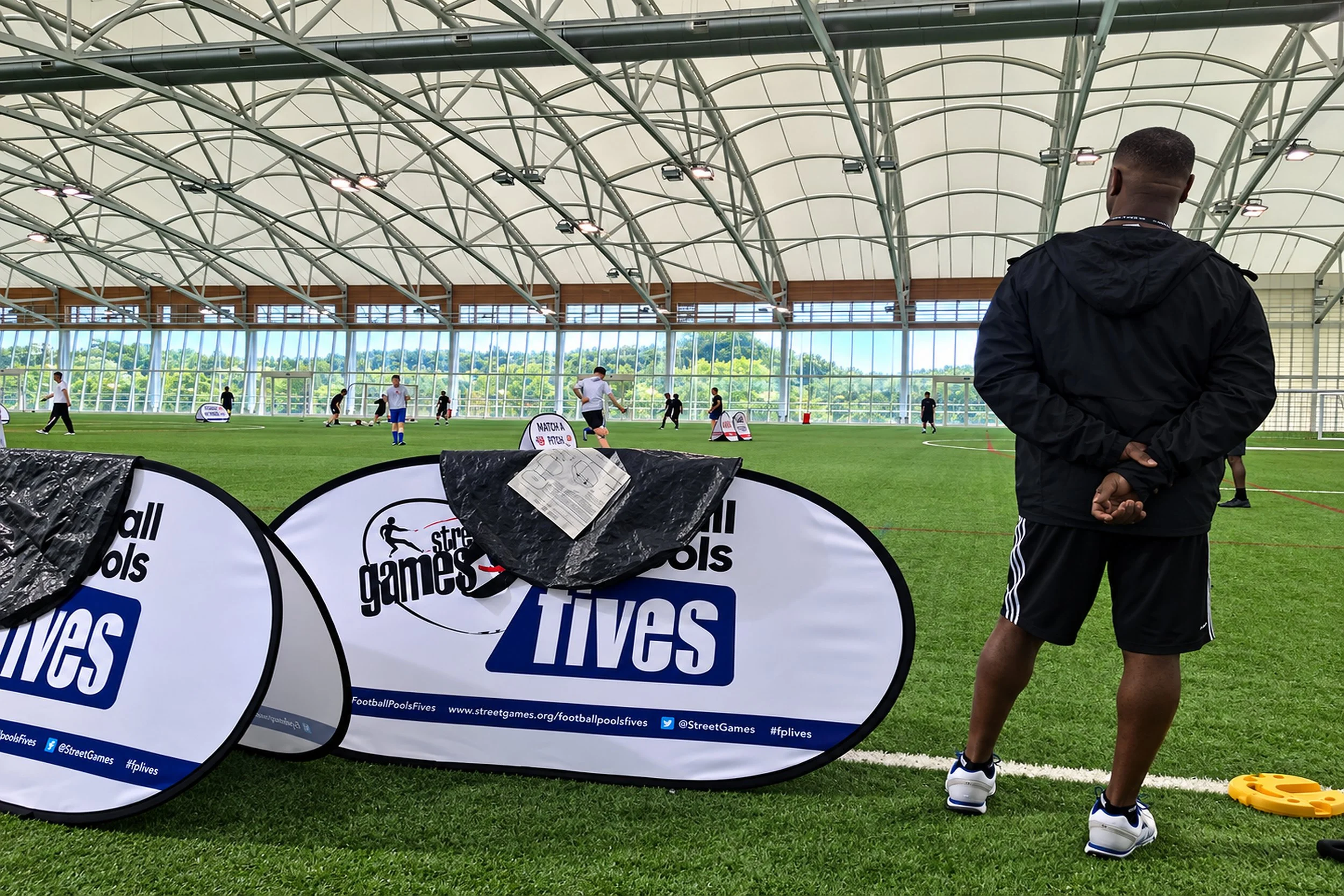
Initially, the work was voluntary. Tuf*C Leaders gained experience by delivering sessions within their own communities, developing their coaching, communication and leadership skills while building relationships with younger participants.
Mike’s aim, however, was always for their development to lead somewhere. Once the Leaders had gained qualifications and experience, the next step was to create paid opportunities where they could use their new skills.
THE FIRST MAJOR PARTNERSHIP
TURNING TRAINING INTO PAID OPPORTUNITY.
At the same time that Tuf*C was developing, Trafford Community Leisure Trust — now Trafford Leisure — had begun operating as a charity providing leisure opportunities across Trafford.
At the beginning of 2004, the Trust received funding from Trafford Safer Partnership to provide Saturday-night activities for young people in Old Trafford, with the intention of providing positive activities at a time when concerns around anti-social behaviour were particularly relevant.
Rather than appointing outside traditional sports coaches and running the programme in the usual way, a partnership was formed between Trafford Community Leisure Trust and Tuf*C. The Trust provided facilities and supported the promotion of the sessions. Tuf*C provided the people.
The young Tuf*C Leaders provided the staffing and helped manage what became the newly created Urban Leisure sessions.
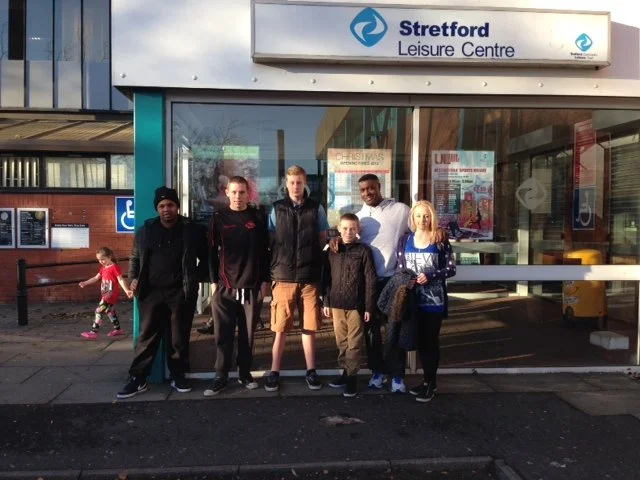
Until that point, much of the work carried out by Tuf*C Leaders had been voluntary and based within their own communities. Urban Leisure changed that. For the first time, Tuf*C Leaders were being paid appropriate coaching rates for regular delivery at Stretford Leisure Centre.
The progression route was becoming real:
train
VOLUNTEER
GAIN EXPERIENCE
GET PAID
LEAD OTHERS
Guaranteed paid work also gave other young people something tangible to work towards. They could see people from their own communities developing skills, gaining qualifications and being trusted to deliver professional work.
The sessions also gave potential partners the chance to see Tuf*C Leaders in action and understand what could be achieved by investing directly in young people.
SPORT AND LEISURE WITH AN URBANISED TWIST
DOING SPORT DIFFERENTLY.
Urban Leisure became an important part of the early Tuf*C story because it demonstrated what happened when young people were given the opportunity to shape delivery rather than simply receive it.
The approach was deliberately different from a traditional sports session.
Tuf*C Leaders understood the communities, the young people and the environment because many had grown up within them themselves.
That local understanding affected the way sessions were delivered. Activities could be adapted around the interests of the young people attending, relationships could be built more naturally and young people were more likely to respond to Leaders who they recognised and could relate to. This became part of what Tuf*C described as delivering sport and leisure with an urbanised twist.
This was where the idea of delivering sport and leisure with an urbanised twist became part of Tuf*C’s identity. It was still sport, but the way it was delivered reflected the people taking part and relevant to the young people Tuf*C was trying to reach.
The activity brought people through the door. The relationships created the opportunity to do more.
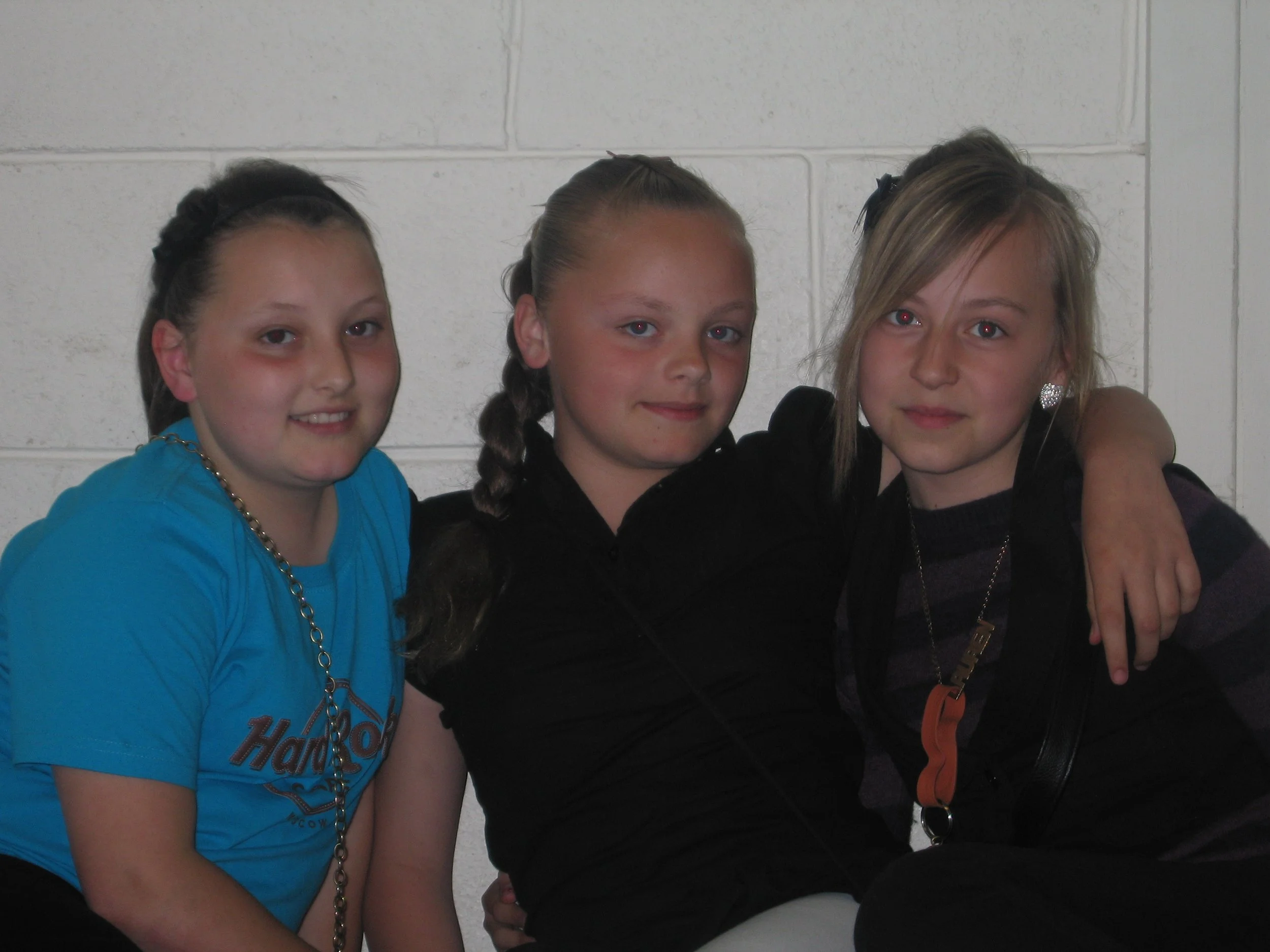
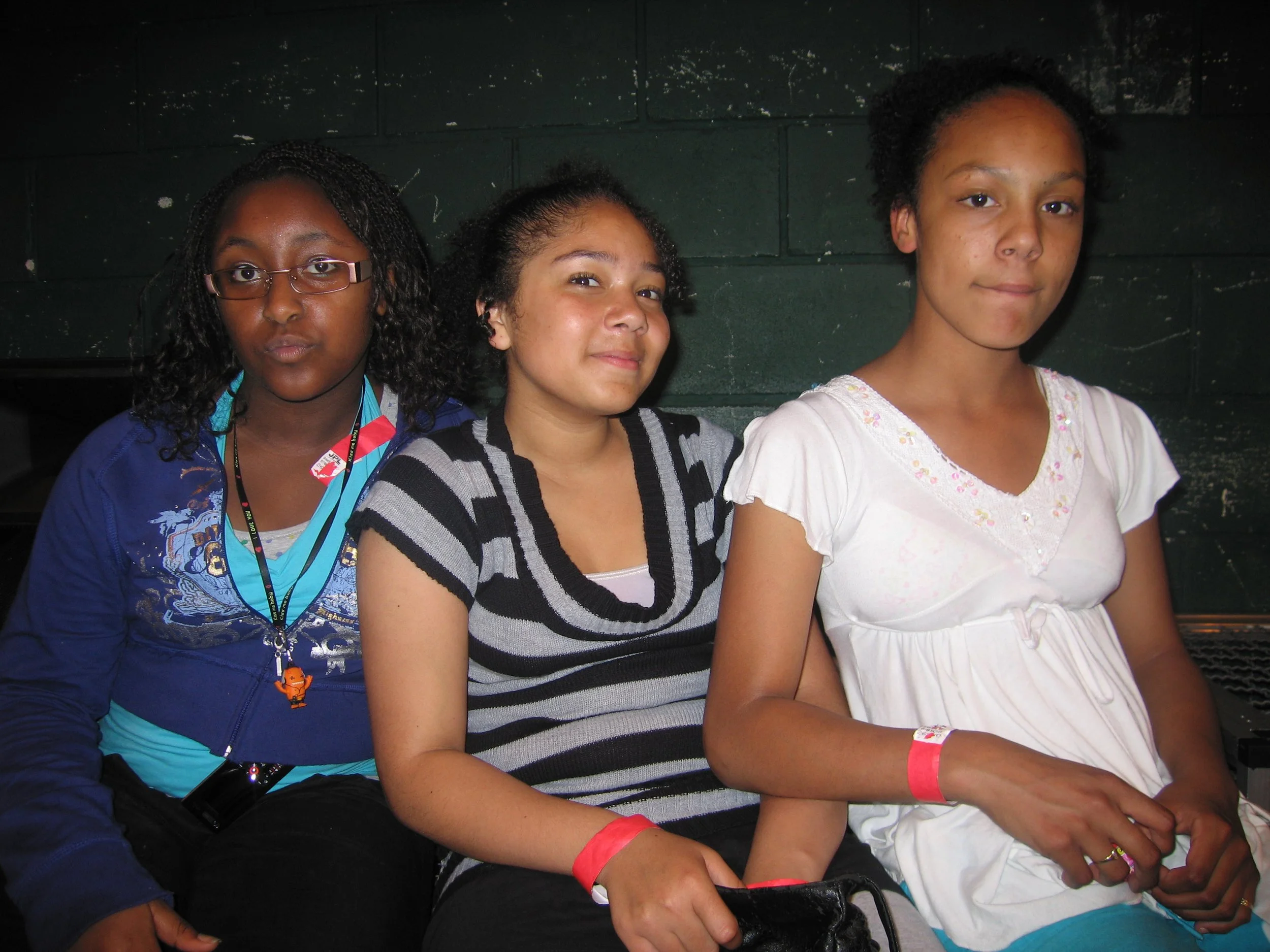
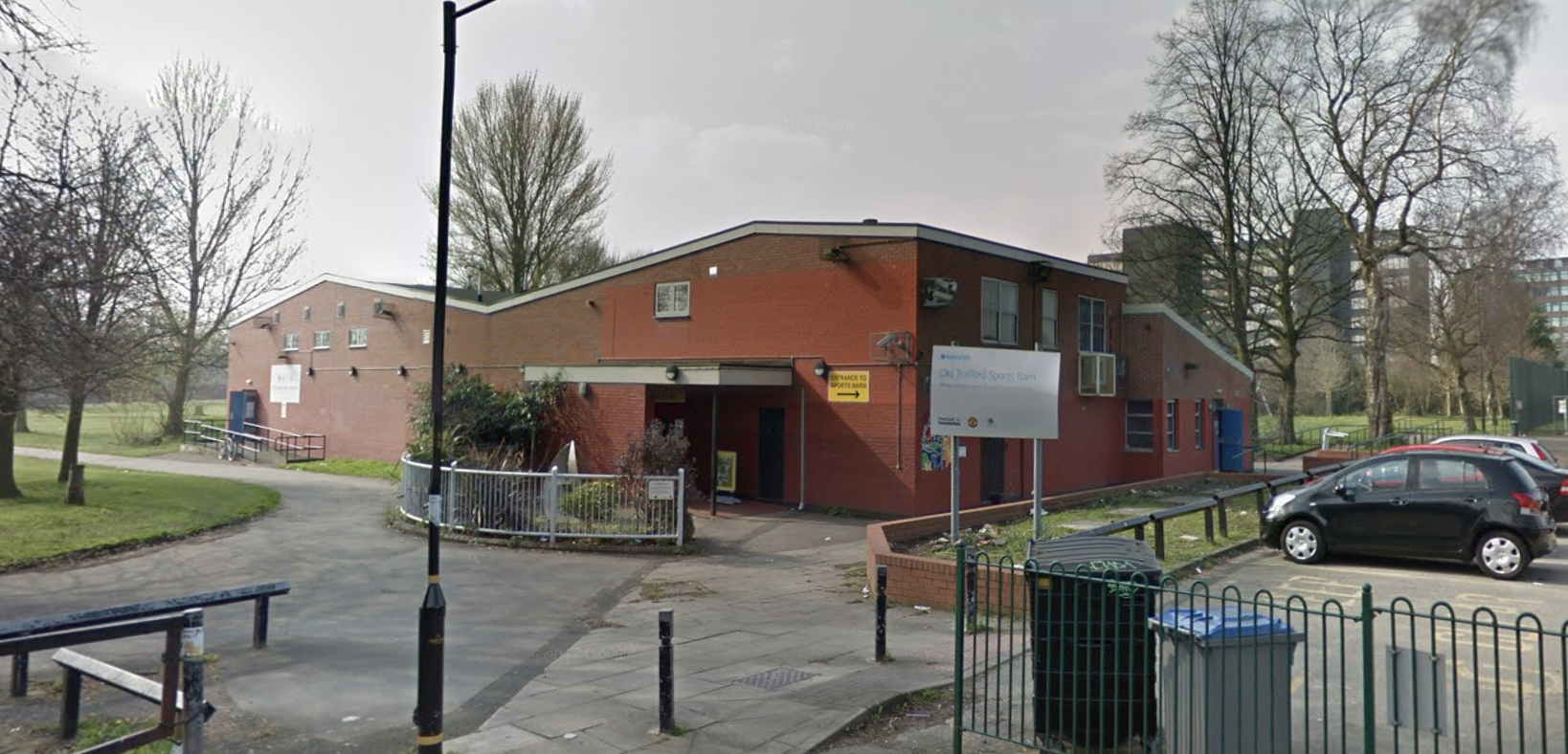
HISTORICALLY, THE HOME OF TUF*C.
A COMMUNITY BASE
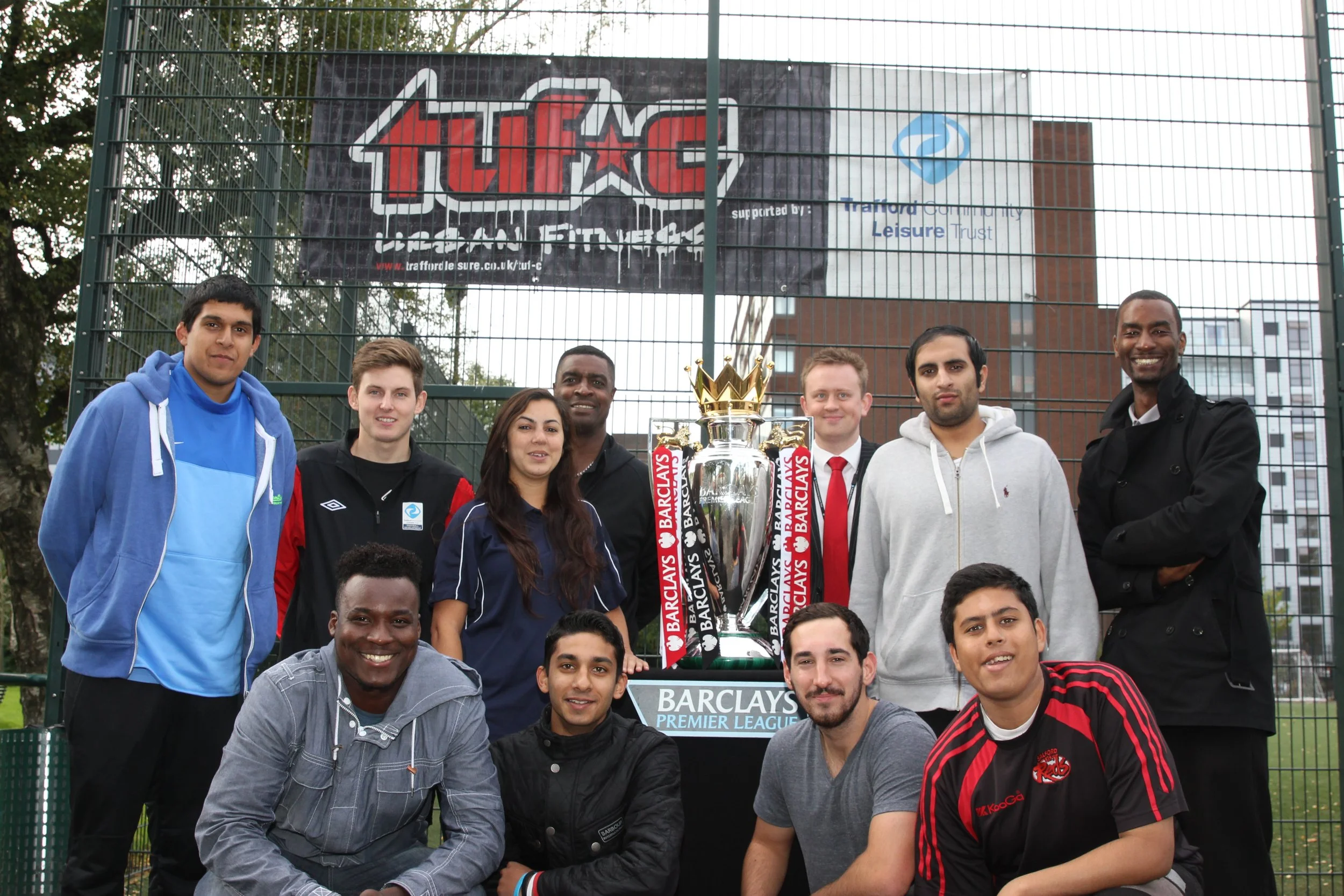
Following the success of Tuf*C Leaders delivering Urban Leisure, another major development came in 2007.
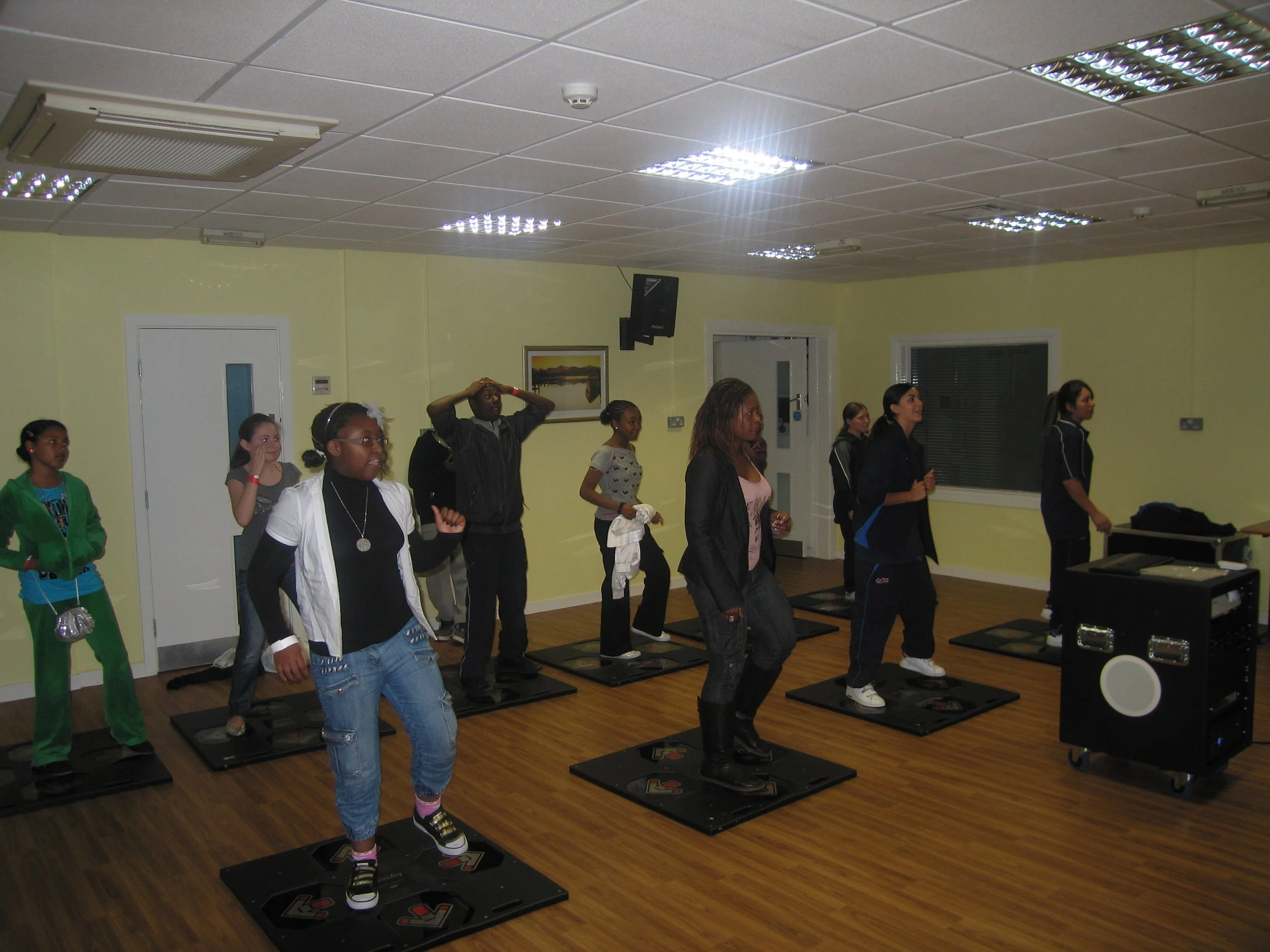
Trafford Leisure chose Tuf*C Leaders to help manage and operate the Old Trafford Sports Barn, a new £1 million community sports facility created through a partnership involving the Barclays Spaces for Sports programme, Manchester United, Trafford Council and Trafford Leisure. For Tuf*C, the Sports Barn became much more than another venue.
It became home.
Using Tuf*C staff from the Old Trafford area meant the facility was being run by people who understood the community, knew many of the families and young people using it and had genuine local relationships.
That local knowledge became one of the Sports Barn’s greatest strengths.
Over time, it developed into an important community hub — particularly for young people, while also being used by children, adults, families and other members of the community.
Tuf*C staff played a significant role in creating that environment and continued to staff the facility as its use grew.
The Sports Barn became a physical example of the Tuf*C model:
local people developing local opportunities for their own community.
WOMEN, GIRLS AND UNDER-REPRESENTED GROUPS
MAKING SURE OPPORTUNITY REACHED MORE OF THE COMMUNITY.
Tuf*C’s growth was not only about increasing the number of sessions. It was also about understanding who was not yet taking part.
In 2005, Trafford Leisure introduced a full-time Tuf*C Female Coordinator, with a specific focus on increasing participation amongst women and girls across Old Trafford, Gorse Hill and Stretford.
Working with local communities, including ethnic minority groups that had previously been under-represented within leisure provision, the role helped create new activities and new routes into participation.
This work reflected another principle that became increasingly important to Tuf*C:
opportunity only works if people can actually access it.
Understanding local communities, building trust and adapting delivery around the people Tuf*C wanted to reach became just as important as the activity itself.
MORE THAN COACHING
TRAINING, EXPERIENCE AND PROGRESSION
The original Tuf*C model was based on young people progressing at their own pace. Someone might first come into Tuf*C simply to take part in sport, but from there they could move into volunteering, receive mentoring, gain recognised qualifications, develop leadership skills and begin taking on more responsibility.
Training included Community Sports Leader Awards, National Governing Body coaching qualifications, First Aid, lifesaving and other relevant qualifications. Alongside these, Tuf*C placed significant importance on personal development and life skills.
Young people developed communication skills, presentation skills, teamwork, interview techniques and an understanding of what was expected when working professionally with other people. For some, these skills eventually led to sessional, part-time or full-time employment within Tuf*C or partner organisations.
Others moved into completely different areas of work. The purpose was never to make every young person into a sports coach. The wider aim was to give them experience, confidence and transferable skills that could help them move forward in whichever direction suited them.
A number of young people who came through TufC went on to secure permanent employment both within and outside sport and physical activity. Their development through TufC gave them experience and knowledge that could be carried into other settings.
One of the strongest principles behind the programme was peer-to-peer development. Tuf*C believed that young people could often influence and support other young people in ways that traditional services could not. A Leader who had grown up in the same area or faced similar situations could often build trust more quickly and become a visible example of what progression could look like.
DEVELOPING TUF*C LEADERS
MORE THAN COACHING QUALIFICATIONS.
Developing a Tuf*C Leader was never only about teaching somebody how to coach sport. Young people were supported across several areas of their development.
-
Building confidence, responsibility, independence and gaining accreditation for their achievements.
-
Working towards Community Sports Leader Awards, National Governing Body coaching qualifications and gaining practical experience delivering sessions.
-
Opportunities included training such as First Aid, lifesaving and other relevant qualifications needed to support safe and professional delivery.
-
Communication, presentation, teamwork, interview preparation, professional behaviour and the everyday skills needed to move into further opportunities.
-
Young people who may once have been viewed negatively could become recognised within their communities as coaches, leaders and positive role models.
-
Progression could lead to sessional, part-time and full-time employment — within Tuf*C, through partner organisations or elsewhere.
Over the years, young people who came through Tuf*C went on to secure permanent employment both within and beyond sport and physical activity.
The skills developed through Tuf*C were transferable.
The aim was never to create one destination for every young person.
It was to widen what they believed their destinations could be.
WHY THE MODEL WORKED
YOUNG PEOPLE INFLUENCING YOUNG PEOPLE.
One of Tuf*C’s strongest early beliefs was that young people often respond differently when guidance comes from somebody they recognise, relate to or can see themselves becoming.
The original wording was simple:
“We believe peer on peer works best when it comes to influencing young people and steering them in the right direction.”
That principle shaped the way Tuf*C recruited and developed its Leaders.
The young person delivering a session might have grown up on the same estate, attended the same school, faced similar pressures or started out at Tuf*C in exactly the same way as the young person standing in front of them.
That created credibility.
It also created visibility.
Young people could see examples within their own community of what progression could look like.
MORE THAN SPORTS SESSIONS
THE EFFECT REACHED BEYOND THE ACTIVITY.
As Tuf*C developed, the benefits were experienced not only by individual Tuf*C Leaders but also by partner organisations and the wider communities where programmes were delivered.
Urban Leisure expanded beyond its original location and reached hundreds of young people.
A growing pool of trained young coaches and leaders became available to support sports sessions, holiday programmes, after-school provision and community activity.
Tuf*C Leaders became recognised as community leaders and positive role models.
Young people were increasingly involved in shaping activities rather than simply attending them.
Relationships developed between young people, leisure providers, schools, colleges, local authorities and other organisations.
And the skills gained through the programme helped young people progress towards employment and opportunities both inside and outside sport.
Historically, Tuf*C and its partners also associated the Urban Leisure model with wider community benefits including increased participation, stronger relationships between generations, community pride and reductions in anti-social behaviour in areas where activity was taking place.
The importance of those early programmes was therefore not simply the number of sessions delivered.
They demonstrated what could happen when communities invested in their own young people.
OUR ORIGINAL VISION & AIMS
THE LANGUAGE HAS EVOLVED. THE PURPOSE HAS NOT.
The original vision of Tuf*C was written in language commonly used within youth and community development at the time:
“Developing disaffected, hard-to-reach young people through sport to give other young people opportunities.”
Today, we would describe those young people differently, but the principle behind those words remains important.
Tuf*C wanted to reach young people who were not always being reached by traditional opportunities, use sport to build relationships and then support those young people to create opportunities for others.
The original objectives included:
Providing physical activities for young people.
Engaging young people and opening doors to positive influences.
Providing activities at times when young people had fewer positive places to go.
Creating safe environments where young people could play sport, explore other interests and socialise.
Providing recognised training and qualifications.
Developing young people as coaches and community leaders.
Creating volunteering and employment opportunities.
Supporting young people to make positive decisions about their future.
The wording may have changed over the years. The intention has not.
THE ROOTS ARE STILL VISIBLE
MORE THAN TWENTY YEARS LATER,
THE THREAD IS STILL THERE.
Tuf*C has evolved since 2003, but the foundations that shaped The Urban Fitness Collective are still central to the way the organisation works today. Programmes have changed, communities have changed, funding has changed and the challenges facing young people have changed, but the core approach has remained consistent.
Sport is still used as a way to engage young people, build relationships and create opportunities. Tuf*C has always understood that sport can be the starting point, but the real value comes from what develops around it: confidence, discipline, communication, teamwork, responsibility, leadership and progression.
The Urban Fitness Collective was built around young people being given more than somewhere to take part. From the early Tuf*C Leaders through to the young people involved today, the aim has always been to create routes where individuals can develop, gain experience, build qualifications, take on responsibility and move towards volunteering, paid work or further opportunities.
That approach remains connected to The Urban Fitness Collective’s roots in Greater Manchester. Local knowledge, strong relationships and an understanding of the communities we work in are still important to how we deliver. The organisation has never been about dropping into an area, running a session and leaving. TufC has always worked best when young people know the people delivering, recognise them, trust them and can see a route they could realistically follow themselves.
Peer leadership is still an important part of that model. Young people are often more likely to engage when they can relate to the person leading the session and when they can see that the leader has come through similar environments, experiences or opportunities. That was part of the original Tuf*C approach and it continues to influence how we think about youth development today.
More than twenty years on, the methods continue to develop, but the purpose remains rooted in the same idea: use sport and urban culture to engage young people, support them to build skills and confidence, create real progression opportunities and help them become part of creating opportunities for others.
THE STORY CONTINUES
STILL CREATING OPPORTUNITIES FOR THE NEXT GENERATION.
Mike McKenzie was central to the creation and development of Tuf*C. He recruited the original group of young people, helped establish the training and development model and worked with partners to turn volunteering and qualifications into genuine opportunities for paid work.
His influence was also in the way Tuf*C worked with people. Young people were given responsibility, expected to develop and supported to take their next step. That approach became part of the culture of The Urban Fitness Collective.
Following Mike’s passing on 17 February 2025, TufC entered a different chapter. His contribution remains part of the organisation’s foundations and part of the reason TufC continues to place such importance on young people progressing through opportunity rather than simply participating in activity.
The full story of Mike, his work and his influence on The Urban Fitness Collective is continued on his dedicated page.